Table of Contents
- The Foundation of an Efficient Freestyle
- Core Body Position Drill: The 6-Kick Switch
- Breathing Mechanics: The Side-Lying Breath
- Rotation Drive: The Fist Drill
- Combined Drill: Catch-Up with Rotation
- Drill Progression and Prescription
- Common Errors and Corrections
- Frequently Asked Questions
- Start Today
- Related Articles
Key Takeaways
- Maintain a straight body line from head to heels to reduce drag by up to 30%.
- Use the 6-kick switch drill to build core stability and improve rotation.
- Practice side-lying breath to keep your head neutral and avoid lifting.
- The fist drill forces proper rotation by eliminating hand propulsion.
- Combine drills in a weekly plan and track progress with stroke count and 50m time.
The Foundation of an Efficient Freestyle
An efficient freestyle stroke depends on three interconnected elements: body position, breathing, and rotation. When these components work together, you reduce drag, conserve energy, and increase propulsion. Many swimmers neglect one or more of these areas, leading to poor form and slower times.
Your body should form a straight line from the top of your head to your heels. A high hip position keeps your legs near the surface, minimizing drag. Research shows that a 10-degree improvement in body alignment can reduce drag by up to 30% at moderate speeds. Focus on pressing your chest slightly downward and keeping your head neutral, with your eyes looking at the bottom of the pool.
Core Body Position Drill: The 6-Kick Switch
The 6-kick switch drill isolates body position and rotation. Push off the wall on your side with one arm extended forward and the other resting along your hip. Keep your head in line with your spine. Take six kicks on this side, then rotate to the other side in one smooth motion, switching arms. Repeat for 10 cycles per set.
Perform 3 sets of 50 meters with 45 seconds rest between sets. Maintain a steady kick rhythm at 2 beats per second. If your hips drop or your head lifts, slow down and focus on alignment. This drill builds core stability and teaches you to hold a streamlined position throughout each stroke cycle.
Breathing Mechanics: The Side-Lying Breath
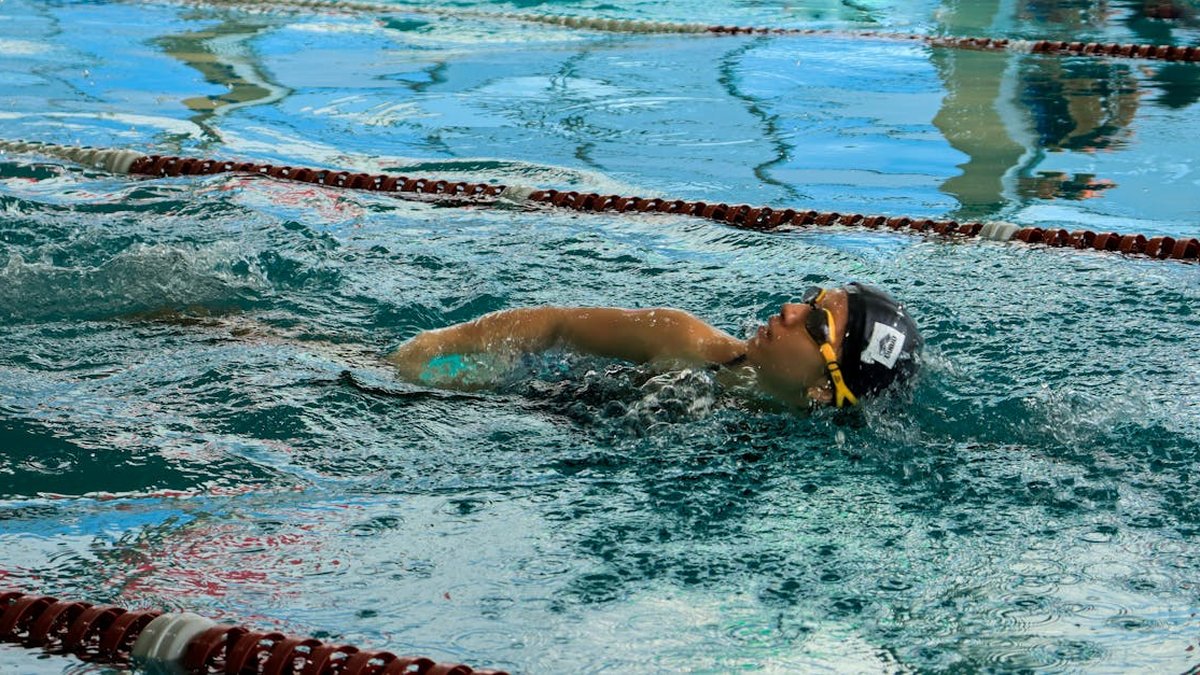
Improper breathing disrupts body position and creates drag. The side-lying breath drill corrects this by teaching you to breathe without lifting your head. Start by floating on your side with one ear in the water and the other arm extended forward. When you need air, rotate your head just enough for your mouth to clear the water—no more than a 45-degree turn. Exhale steadily underwater through both nose and mouth.
Practice this drill for 4 sets of 25 meters, alternating sides every 25 meters. Use a 3-kick pattern per breath to ensure you exhale fully before turning. A common mistake is holding your breath; exhale immediately after each breath to avoid carbon dioxide buildup. Aim to breathe every 3 strokes during normal swimming, reducing to every 5 strokes during high-intensity intervals.
Rotation Drive: The Fist Drill
Rotation is the engine of the freestyle stroke. The fist drill forces you to use your forearms and body rotation instead of your hands for propulsion. Swim normal freestyle but make fists with both hands. Without your hands to pull water, you must rotate your shoulders and hips to generate forward movement. This emphasizes the power of your core and larger muscle groups.
Swim 6 sets of 50 meters with the fist drill, taking 20 seconds rest between sets. Focus on rotating from your hips, not just your shoulders. Each stroke should involve a full 90-degree rotation from side to side. After completing the sets, swim 100 meters of normal freestyle and notice how much more efficient your rotation feels.
Combined Drill: Catch-Up with Rotation
The catch-up drill combines body position, breathing, and rotation into one movement. Extend both arms forward in a streamlined position. Pull with one arm while the other remains extended. As your pulling arm reaches your hip, rotate your body to that side and take a breath. Then return your hand to the starting position. Only begin the next pull when both hands meet again at the front.
Perform 5 sets of 50 meters with 30 seconds rest. Count your strokes per length; a reduction of 2–3 strokes per 25 meters indicates improved efficiency. Keep your kick constant and relaxed, using a 2-beat or 4-beat kick pattern. This drill reinforces timing and prevents rushing the stroke.
Drill Progression and Prescription
Integrate these drills into your weekly training plan. For intermediate swimmers, dedicate 20–30 minutes per session, 3 times per week, to drill work. A sample progression: Week 1—focus on the 6-kick switch and side-lying breath only. Week 2—add the fist drill and catch-up drill. Week 3—combine all drills into a 400-meter drill set before your main set.
Track your progress with a simple metric: measure your time for a 50-meter freestyle at the start of each week. Aim for a 1–2 second improvement per month. Use a Tempo Trainer or count strokes per length. If your stroke count increases or your time stagnates, revisit the basic drills.
Common Errors and Corrections
Three common errors undermine freestyle efficiency. First, lifting the head to breathe—this drops the hips and increases drag. Correct this by keeping one goggle lens in the water when you turn to breathe. Second, over-rotating or under-rotating. Use the fist drill to find a balanced 90-degree rotation. Third, crossing the centerline with your hand entry. Keep your hand entering the water at shoulder width or slightly wider.
Record yourself swimming from the side and from above to check your alignment. Share the video with a coach or use an app that measures stroke metrics. Small corrections can yield large improvements: a 5-degree improvement in head position reduces drag by approximately 15% according to biomechanical studies.
“The most efficient swimmers are those who minimize resistance through perfect body alignment and controlled rotation. Drills are not optional; they are the foundation of speed.”
Frequently Asked Questions
Common questions about swimming and water sports
How often should I do freestyle drills each week?
For noticeable improvement, include drill work in 3 sessions per week. Dedicate 20–30 minutes to specific drills like the 6-kick switch and fist drill before your main swimming set.
What is the ideal breathing pattern for freestyle?
Breathe every 3 strokes for balanced rotation and oxygen delivery. During sprint intervals, you may breathe every 5 strokes. Always exhale underwater to avoid holding your breath.
Why do my hips drop when I breathe?
Hip drop occurs when you lift your head to breathe instead of rotating your body. Practice the side-lying breath drill and keep one goggle lens submerged to maintain alignment.
Can these drills help with open water swimming?
Yes. Body position and rotation drills are essential for navigating chop and maintaining efficiency over long distances. The catch-up drill is especially useful for preventing stroke crossover in open water.
Related Articles
Start Today
Mastering freestyle stroke requires consistent practice of drills that target body position, breathing, and rotation. By dedicating time each week to the 6-kick switch, side-lying breath, fist drill, and catch-up drill, you will develop a more efficient and faster stroke. Track your progress with stroke counts and timed 50-meter repeats to see measurable gains. Commit to the process, and your swimming will improve steadily.