Table of Contents
- What Are Macros and Why They Matter
- Step 1: Calculate Your Total Daily Energy Expenditure
- Step 2: Set Your Calorie Surplus or Deficit
- Step 3: Set Your Protein Intake First
- Step 4: Set Fat Intake for Hormonal Health
- Step 5: Fill the Remainder with Carbohydrates
- Step 6: Track, Adjust, and Refine
- Frequently Asked Questions
- Start Today
- Related Articles
Key Takeaways
- Calculate your TDEE first, then set a 10-20% surplus for muscle gain or a 15-25% deficit for fat loss.
- Prioritize protein at 1.6-2.2 g/kg body weight, with higher intakes during deficits or for older athletes.
- Set fat at 0.8-1.2 g/kg for hormonal health, then fill remaining calories with carbohydrates.
- Track your food with a scale and app for at least two weeks, adjusting macros by 5-10% based on weight and performance changes.
- Re-calculate macros every 4-6 weeks as your body weight shifts by 2-3 kg.
What Are Macros and Why They Matter
Macronutrients—protein, carbohydrates, and fat—are the three primary sources of energy your body uses daily. Unlike micronutrients (vitamins and minerals), macros are measured in grams and provide calories: protein and carbs each offer 4 calories per gram, while fat delivers 9 calories per gram. Setting the right macro split is the foundation of any nutrition plan because it directly influences body composition, performance, and recovery.
For example, an athlete training for hypertrophy may need 1.6 to 2.2 grams of protein per kilogram of body weight, while an endurance athlete might require 6 to 10 grams of carbs per kilogram. Fat intake typically ranges from 0.5 to 1.5 grams per kilogram depending on goals. Without a structured macro plan, you risk inadequate fueling, stalled progress, or excess calorie intake that undermines your results.
Step 1: Calculate Your Total Daily Energy Expenditure
Your Total Daily Energy Expenditure (TDEE) is the number of calories you burn in a day, including basal metabolic rate, physical activity, and the thermic effect of food. To find your TDEE, start with your Basal Metabolic Rate (BMR) using the Mifflin-St Jeor equation: for men, BMR = (10 × weight in kg) + (6.25 × height in cm) – (5 × age) + 5; for women, BMR = (10 × weight in kg) + (6.25 × height in cm) – (5 × age) – 161.
Multiply your BMR by an activity factor: 1.2 for sedentary, 1.375 for light activity (1-3 days/week), 1.55 for moderate (3-5 days), 1.725 for very active (6-7 days), and 1.9 for extremely active (physical labor or twice-daily training). For instance, a 25-year-old male weighing 80 kg, 180 cm tall, with moderate activity, has a TDEE of roughly 2,900 calories. This number becomes your baseline for weight maintenance.
Step 2: Set Your Calorie Surplus or Deficit
Once you have your TDEE, adjust calories based on your specific goal. For muscle gain, add 10 to 20 percent above maintenance. That means if your TDEE is 2,500 calories, aim for 2,750 to 3,000 calories daily. For fat loss, subtract 15 to 25 percent, giving a target of 1,875 to 2,125 calories from the same baseline. A smaller deficit (10-15 percent) is better for athletes to preserve performance and muscle mass.
Do not exceed a 500-calorie deficit or surplus per day, as extreme changes can disrupt hormone function and training recovery. Track your weight weekly and adjust by 100 to 200 calories if progress stalls after two weeks. For example, if you are losing less than 0.5 percent of body weight per week on a deficit, reduce calories by 150. Conversely, if gaining weight too fast on a surplus, trim 100 calories.
Step 3: Set Your Protein Intake First
Protein is the most critical macro for athletes because it supports muscle repair, enzyme production, and immune function. For most athletes, the recommended range is 1.6 to 2.2 grams per kilogram of body weight. If you are in a calorie deficit or are an older athlete (over 40), aim for the upper end at 2.0 to 2.4 g/kg to minimize muscle loss.
For a 75 kg athlete on a fat loss plan, that translates to 150 to 180 grams of protein per day. Distribute this evenly across 4 to 6 meals, with each meal providing 30 to 40 grams. A post-workout shake with 30 grams of whey protein and 200ml of milk is a simple way to hit that target. Adjust down to 1.6 g/kg for maintenance or bulk phases if you are younger and well-recovered.
Step 4: Set Fat Intake for Hormonal Health
Dietary fat is essential for hormone production, vitamin absorption, and cell membrane integrity. For athletes, fat should make up 20 to 35 percent of total calories. A minimum of 0.5 grams per kilogram of body weight is necessary for basic health, but most athletes perform best with 0.8 to 1.2 g/kg.
For a 70 kg female athlete on a 2,200-calorie maintenance plan, 0.9 g/kg equals 63 grams of fat per day, which provides 567 calories (about 26 percent of total intake). Prioritize unsaturated fats from sources like olive oil, nuts, seeds, and fatty fish. Keep saturated fat below 10 percent of total calories. If you are on a low-carb diet, you can increase fat to 1.5 g/kg, but ensure protein remains high to preserve muscle.
Step 5: Fill the Remainder with Carbohydrates
Carbohydrates are the primary fuel for high-intensity exercise and cognitive function. After setting protein and fat, the remaining calories should come from carbs. For most athletes, this equates to 3 to 7 grams per kilogram of body weight, depending on training volume. An endurance runner logging 10 hours per week may need 8 to 10 g/kg, while a strength athlete training 4 hours weekly may need only 3 to 5 g/kg.
To calculate, subtract protein and fat calories from your total daily calories, then divide by 4. For example, on a 2,800-calorie bulk: 160g protein (640 cal) + 70g fat (630 cal) = 1,270 calories accounted for, leaving 1,530 calories for carbs, which equals 382 grams. Spread carbs around your training window—30 to 50 grams pre-workout and 40 to 60 grams post-workout—to optimize performance and glycogen replenishment.
Step 6: Track, Adjust, and Refine
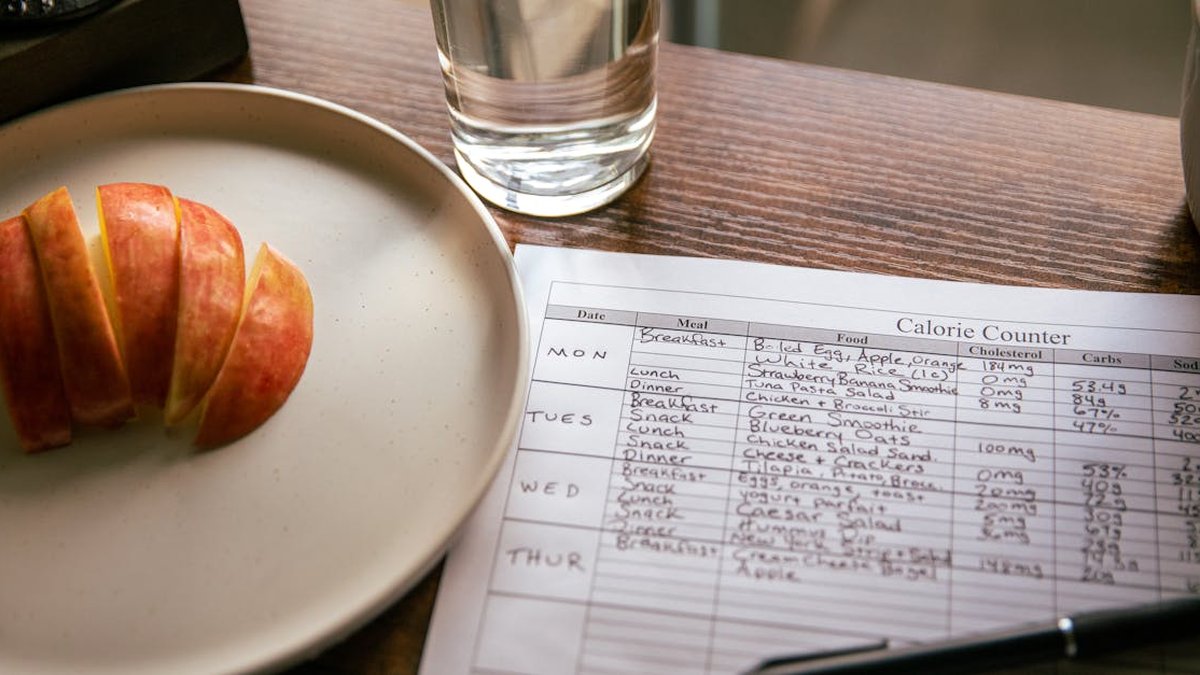
Use a food scale and an app like MyFitnessPal or Cronometer to log your intake for at least two weeks. Weigh yourself three times per week under consistent conditions (morning, fasted, after using the bathroom) and track your average weekly weight. Also monitor performance metrics: if your squat strength drops by more than 5 percent over two weeks, or if you feel lethargic during sessions, your carbs or total calories may be too low.
Make small adjustments of 5 to 10 percent per macro as needed. For example, if you are losing weight but feel sluggish, increase carbs by 30 grams and reduce fat by 10 grams to keep calories constant. Re-calculate your macros every 4 to 6 weeks as your weight changes by more than 2-3 kg. Remember, individual responses vary, so be patient and data-driven.
Most athletes overcomplicate macro setting. Start with a solid baseline, track honestly for two weeks, and then adjust based on real-world results—not a formula.
Frequently Asked Questions
Common questions about nutrition for athletes
Do I need to hit my macros exactly every day?
No, aim to be within 5-10 grams of each macro target daily. Consistency over weeks matters more than perfection in a single day.
Can I use a macro calculator app instead of doing it manually?
Yes, apps like MyFitnessPal or Cronometer can simplify the process, but double-check the protein and fat settings to ensure they match your goals.
What if I train twice a day—should I increase carbs?
Yes, increase carbs to 7-10 g/kg during high-volume training periods to replenish glycogen stores and support recovery between sessions.
How often should I change my macro targets?
Re-calculate every 4-6 weeks or after a body weight change of 2-3 kg. Adjust sooner if performance drops or weight plateaus for more than two weeks.
Related Articles
Start Today
Setting your macros correctly is a continuous process of calculation, tracking, and refinement. Start with your TDEE, adjust for your goal, and prioritize protein first, then fat, then carbs. Use a food scale and app for at least two weeks, and make small changes based on your weight and performance data. With patience and consistency, you can align your nutrition with your training goals and see measurable improvements.