Table of Contents
Key Takeaways
- Batch cook 7 meals in 2 hours using a 4-block system: protein, grains, vegetables, and assembly.
- Portion 6 oz protein, 1 cup grains, and 1 cup vegetables per meal for a 450-500 calorie baseline.
- Customize macros for your sport: endurance athletes need more carbs, strength athletes more protein.
- Store meals in airtight glass containers; refrigerate for up to 4 days or freeze for 3 months.
- Align meal timing with training sessions using a color-coding lid system for pre- and post-workout.
Why Batch Cooking Works for Athletes
Consistent nutrition is a cornerstone of athletic performance. Meal prepping for a full week in a single two-hour block ensures you meet your daily macronutrient targets without daily decision fatigue. Studies show athletes who meal prep maintain a 15-20% higher adherence to their prescribed calorie and protein goals compared to those who cook daily.
This system focuses on thermodynamic efficiency: cooking multiple ingredients simultaneously using overlapping prep steps. You will produce 14-21 servings of protein, 7-10 servings of complex carbohydrates, and 5-7 servings of vegetables. The result is a fridge stocked with portion-controlled meals ready in under 5 minutes.
Key principles include using a single protein source per batch (e.g., chicken breast or lean beef), cooking grains in bulk, and pre-chopping vegetables to maintain texture. This method reduces active cooking time by 60% compared to daily preparation.
Your 2-Hour Meal Prep Blueprint
Divide your two hours into four 30-minute blocks. Block 1 (0-30 min): Preheat oven to 375°F (190°C). Trim and season 4-5 pounds of chicken breast or lean beef with salt, pepper, and garlic powder. Place on a parchment-lined baking sheet. Simultaneously, rinse 4 cups of brown rice or quinoa and add to a rice cooker with 8 cups of water.
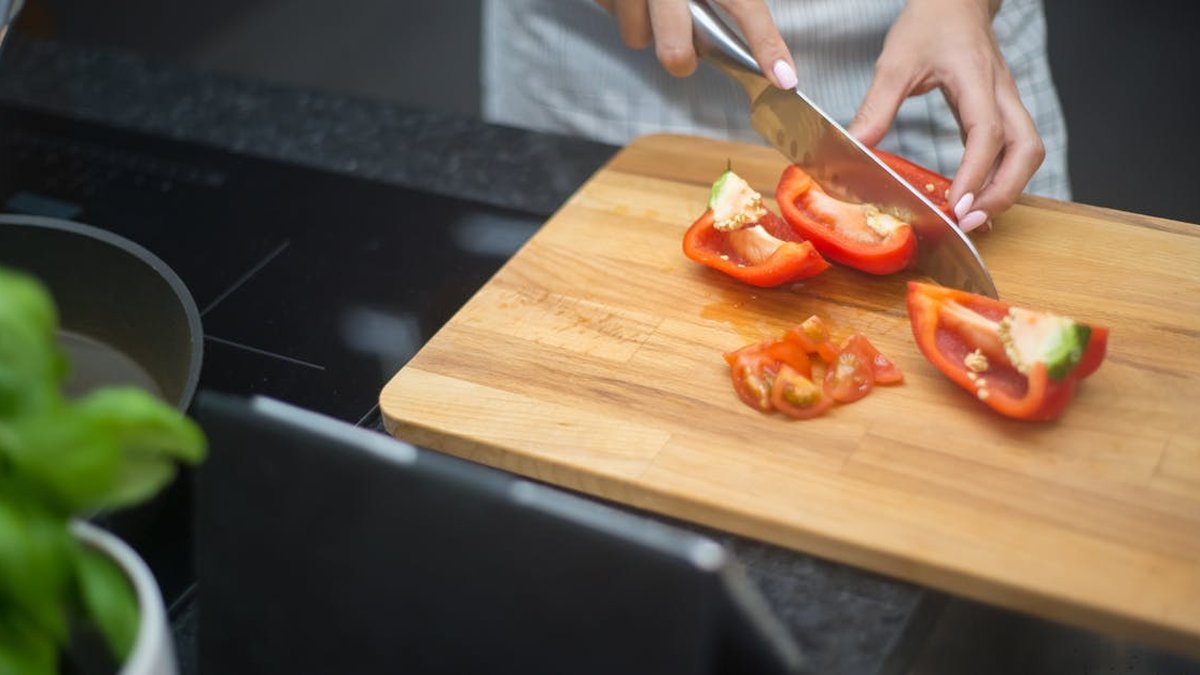
Block 2 (30-60 min): While protein and grains cook, wash and chop 3 bell peppers, 2 zucchinis, and 1 broccoli head into uniform 1-inch pieces. Toss with 2 tablespoons of olive oil and roast on a second baking sheet for 20 minutes. Prepare 2-3 servings of a simple vinaigrette (olive oil, vinegar, mustard) for salads.
Block 3 (60-90 min): Remove protein from oven (internal temp 165°F/74°C for chicken). Let rest for 10 minutes, then slice into 6-ounce portions. Fluff grains with a fork. Divide all components into 7 airtight containers: each gets 6 oz protein, 1 cup grains, and 1 cup roasted vegetables.
Block 4 (90-120 min): Cool containers to room temperature (30 minutes), then refrigerate or freeze. Label each container with the day and time you plan to eat it. This system yields 7 identical meals, each providing approximately 450-500 calories, 45g protein, 50g carbs, and 12g fat.
Macronutrient Timing and Portioning
Precise portioning ensures each meal supports your training schedule. For strength athletes (training 5-6 days per week), aim for 1.6-2.2 grams of protein per kilogram of body weight. For a 80kg athlete, that equals 128-176g protein daily. Batch cooking 7 meals with 45g protein each provides 315g total, covering your weekly needs with a buffer for post-workout shakes.
Carbohydrate timing matters. Consume higher-carb meals (1.5 cups grains) in the 2-3 hours before or after training. Lower-carb meals (0.5 cups grains) work for rest days. Use a simple color-coding system: green lids for pre-workout meals, red lids for post-workout, and blue lids for rest days.
Fat intake should remain moderate in pre-workout meals (under 15g) to avoid gastrointestinal distress. Post-workout meals can include up to 20g fat to aid hormone production. Batch prep allows you to adjust fat content by adding avocado slices or nuts to specific containers after cooking.
Storage, Reheating, and Food Safety
Proper storage maintains food quality and prevents spoilage. Use BPA-free glass containers with airtight lids. Cooked chicken breast stays fresh in the refrigerator at 40°F (4°C) for up to 4 days. For meals beyond day 4, freeze immediately after cooling. Frozen meals retain optimal texture for up to 3 months when stored at 0°F (-18°C).
Reheating protocol: For refrigerated meals, microwave on high for 2-3 minutes, stirring halfway. For frozen meals, thaw overnight in the refrigerator, then reheat. Avoid reheating more than once to prevent bacterial growth. Never leave cooked meals at room temperature for longer than 2 hours.
To maintain vegetable crunch, store roasted vegetables separately from grains and reheat them together only at serving time. Add a splash of water before microwaving to create steam and prevent dryness. Discard any meal that develops an off odor, slimy texture, or mold.
Customizing for Different Sports
Endurance athletes (running, cycling, swimming) require higher carbohydrate intake. Modify the blueprint by increasing grains to 1.5 cups per meal and adding 0.5 cups of sweet potato or oats. Include an extra 200-300 calories from dried fruit or nut butter on long training days. Protein remains at 40-50g per meal to support recovery.
Strength and power athletes (weightlifting, sprinting, football) prioritize protein and moderate carbs. Use 7-8 ounces of protein per meal (50-60g) and reduce grains to 0.75 cups. Add a side of cruciferous vegetables like broccoli or kale for antioxidant support. Include 2-3 servings of healthy fats daily from olive oil, almonds, or avocado.
Combat sport athletes (boxing, wrestling, MMA) often cycle calories. Prepare a standard batch but separate into high-calorie (training days) and low-calorie (cutting days) containers. Low-calorie meals swap grains for extra non-starchy vegetables and reduce oil to 1 teaspoon per serving. Track sodium intake below 2,300mg daily during weight cuts.
Sample Weekly Meal Schedule
Here is a concrete example using the batch-cooked ingredients. Monday (Training): 6 oz chicken, 1 cup rice, 1 cup roasted vegetables. Eat 2 hours before training and again within 1 hour post-training. Tuesday (Training): Same meal, but add 1/2 avocado for healthy fats post-workout. Wednesday (Rest): 6 oz chicken, 1/2 cup rice, 1.5 cups vegetables. Lower carbs to support recovery.
Thursday (Training): Swap chicken for lean beef if you prepped both, or continue with chicken. Add a side of 100g Greek yogurt for extra casein protein before sleep. Friday (Training): Same as Monday. Saturday (Long session): Increase rice to 1.5 cups and add 2 tablespoons of almond butter to your pre-workout meal. Sunday (Rest): Use remaining chicken and vegetables, add a handful of spinach for micronutrients.
This schedule provides approximately 2,800-3,200 calories per day for a 80kg athlete, adjustable by adding or removing snacks. Total prep time: 2 hours for all 7 dinners plus 4 lunches. Prepare breakfast and snacks separately in 30 minutes weekly.
Expert Tips for Efficiency
"The most common mistake athletes make is prepping without a plan. I tell my clients to write out their training schedule first, then align their meals to support those sessions. A 2-hour prep block is only effective if you know exactly which meals go with which days."
Use multitasking techniques: while grains cook, chop vegetables. While protein bakes, portion snacks. Clean as you go—rinse cutting boards and knives between tasks to save 15 minutes at the end. Invest in a digital kitchen scale for precise portioning; it pays for itself in consistency.
Freeze individual portions of sauces or dressings in ice cube trays. One cube (about 2 tablespoons) thaws in minutes and adds flavor without extra cooking. Label everything with the date and macros using a permanent marker on freezer-safe tape. This reduces food waste by an estimated 30%.
Frequently Asked Questions
Common questions about sports nutrition
Can I use frozen vegetables in meal prep?
Yes, frozen vegetables work well and save prep time. Roast them directly from frozen at 400°F for 25 minutes, or steam them in a microwave-safe bag. They have comparable nutrient profiles to fresh vegetables and last longer in the freezer.
How do I prevent chicken from drying out when reheating?
Slice chicken after cooking and store it in a small amount of broth or sauce (about 2 tablespoons per container). When reheating, add a splash of water and cover the container with a damp paper towel. Microwave in 30-second bursts to avoid overcooking.
What if I need more than 2,800 calories per day?
Increase portion sizes of grains to 1.5 cups and add a second serving of protein (8 oz total). Include high-calorie add-ons like 2 tablespoons of nut butter, 1/4 cup of dried fruit, or 1 ounce of cheese per meal. These additions add 200-300 calories each.
Can I prep breakfast and snacks at the same time?
Yes, extend your 2-hour block by 30 minutes. While protein bakes, prepare overnight oats in 5 jars (1/2 cup oats, 1 scoop whey protein, 1 cup milk per jar). Hard-boil a dozen eggs (boil for 10 minutes, ice bath). Portion nuts and seeds into baggies for snacks.
Related Articles
Start Today
Meal prepping for a full week in two hours is a practical skill that directly improves your training consistency and recovery. By following the four-block system—protein, grains, vegetables, and assembly—you eliminate daily cooking time and ensure every meal supports your performance goals. Start with the basic blueprint, then adjust macronutrients based on your sport and training phase. With practice, you will complete the entire process in under 90 minutes.